Blue Lake Construction
October 23, 2026

6 min.
Share:


How to Read a Remodeling Bid: What Washington Homeowners Should Look For
You've met three contractors and now three bids sit on your kitchen table — one suspiciously low, one eye-wateringly high, and one in between. Which numbers actually matter? Here's how to read a remodeling bid line by line, what an honest bid always includes, and the red flags that cost Washington homeowners real money — from a general contractor that writes these documents every week in Bellevue and Seattle.
What should a remodeling bid include?
A real bid is a scope document, not a price tag. At minimum it should spell out: a line-item breakdown (demolition, framing, plumbing, electrical, drywall, tile, finish carpentry — each priced separately), materials and allowances with specific dollar amounts, who pulls permits and whose name they're in, a payment schedule tied to milestones, a start date and duration, and exclusions — what is not in the price. A single-line bid ("Kitchen remodel: $68,000") tells you nothing and protects you from nothing. If a contractor won't itemize, that's your answer about how change orders will go later.
What is an allowance — and why do bids with low allowances look cheap?
An allowance is a placeholder budget for items you haven't picked yet: "$4,000 for cabinets," "$8/sq ft for tile." Allowances are the single most common way a low bid stays low. If one bid carries a $3,500 cabinet allowance and another carries $12,000, the first bid isn't cheaper — it's just deferring the real number to a change order after you've signed. When comparing bids, pull every allowance into a side-by-side list and ask each contractor what the allowance realistically buys in today's market. Our kitchen remodel timeline guide shows why selections should be locked before demo day anyway.
How do you compare bids that are structured differently?
Normalize before you compare. Build a simple table with one row per trade — demo, plumbing, electrical, tile, cabinets, counters, paint — plus rows for permits, design, project management, and cleanup. Where a bid lumps things together, ask the contractor to split them. Then check what each bid excludes: dump fees, permit fees, rot repair, appliance hookup, and painting are classic quiet exclusions. Only when the scopes match line for line does the bottom line mean anything.
Why is the lowest bid so often the most expensive remodel?
Three mechanisms: thin allowances that balloon into change orders, excluded work that gets added back mid-project at full price, and underbidding by contractors who make it up with pace — rushing, substituting materials, or disappearing to a better-paying job. In Washington there's a fourth: unregistered operators who undercut licensed contractors because they carry no bond, no insurance, and no L&I registration. Verify every bidder with L&I's free "Verify a Contractor" tool before you compare prices — our guide to choosing a contractor walks through the check step by step, and our own license (#BLUELLC760C3) is on our licenses page.
What about permits in the bid?
The bid should say explicitly who applies for permits and who pays the fees — and the permits should be in the contractor's name, under their registration. A contractor who suggests skipping permits, or asks you to pull an owner's permit for work they perform, is transferring their risk to you. Washington permit requirements and current timelines are covered in our Washington permit guide.
Five questions to ask before you sign
Is the price fixed or an estimate — and what exactly can change it? What are the allowances, and what do they realistically buy? What's excluded? How are change orders priced and approved (in writing, before work proceeds)? And what does the payment schedule look like — in Washington, be wary of large upfront deposits; payments should track completed milestones. A contractor comfortable with these questions is a contractor whose bid you can trust.
Get a bid you can actually read
Blue Lake Construction writes fixed-price, line-item bids for full home remodels, kitchens, bathrooms, and additions across Bellevue, Seattle, and the Eastside — allowances spelled out, exclusions listed, schedule on paper. Request a free consultation and compare us line for line against anyone.
Subscribe to our Newsletter!

Subscribe to our Newsletter!
Latest Blog posts
View All


Blue Lake Construction
23.10.2026
6 min.
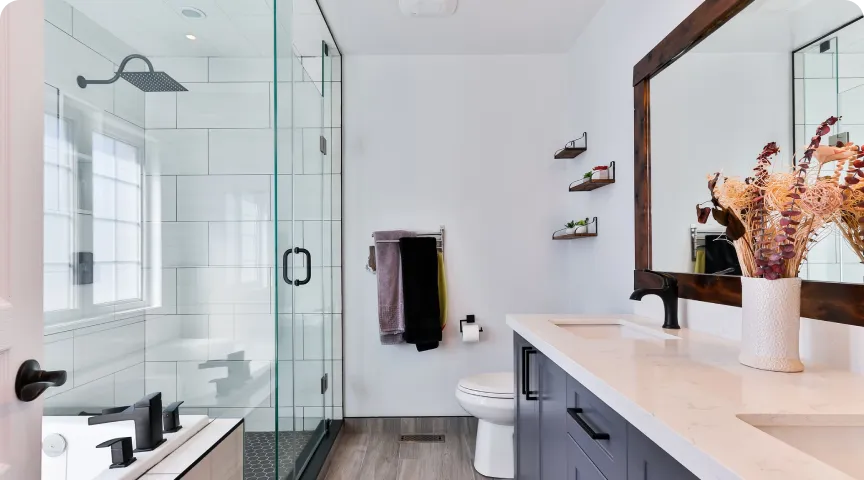
How to Read a Remodeling Bid: What Washington Homeowners Should Look For
A Washington contractor explains how to read and compare remodeling bids — line items, allowances, exclusions, and the red flags hiding in a low price.
Blue Lake Construction
21.10.2026
6 min.
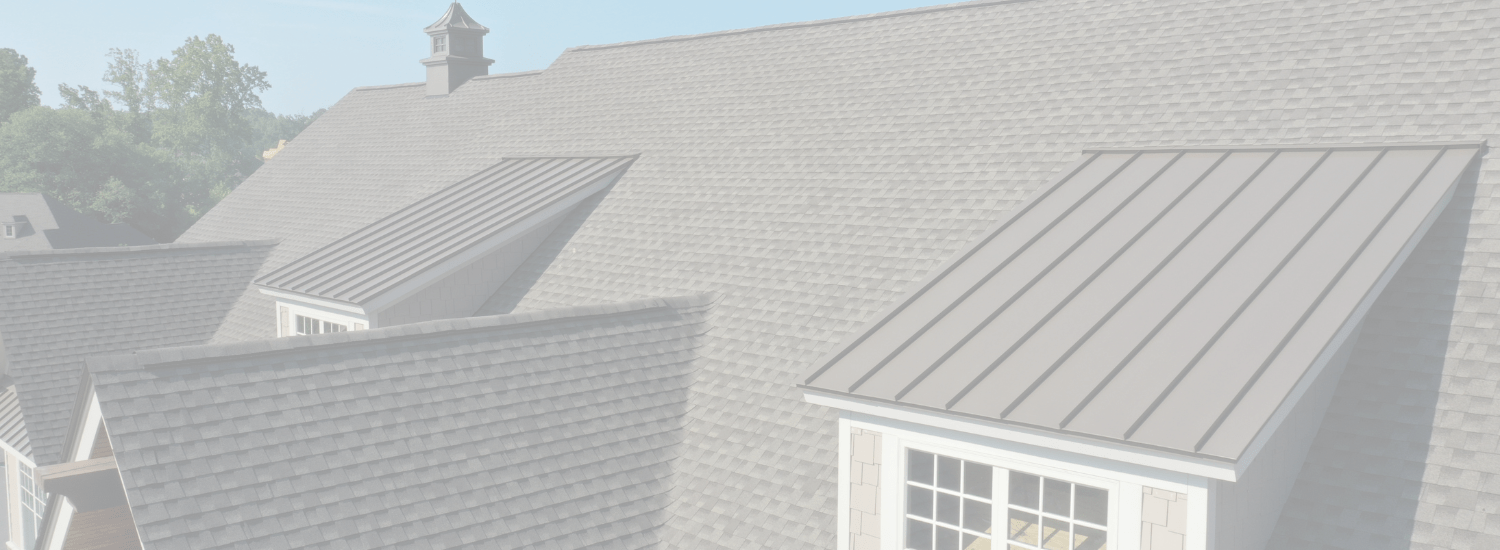
How Much Does a Roof Replacement Cost in Seattle? 2026 Price Guide
Roof replacement in Seattle costs $13,000–$21,000 for a typical composition-shingle home in 2026, more for metal or cedar. What drives the price, when you need a permit, and when insurance pays.

Not sure how to start? Get a free consultation.
One of our experts will get back to you as soon as possible.
