Blue Lake Construction
November 11, 2026

7 min.
Share:


How Much Does It Cost to Remove a Load-Bearing Wall in Seattle? 2026 Price Guide
Opening up a closed-off kitchen or joining two small rooms into one great room is the single most requested change in the mid-century ramblers, split-levels and 1980s two-stories that fill Seattle, Bellevue and the Eastside. When the wall in the way is load-bearing, the project becomes a structural job with an engineer, a permit and a new beam. In 2026, most single-story load-bearing wall removals in the Seattle area land between $6,000 and $15,000 all-in, while two-story homes and long spans that need steel run $15,000 to $30,000 or more. This guide breaks down where that money goes, what pushes a job to the high end, and how long you should expect it to take.
What a load-bearing wall removal actually includes
The demolition itself is the cheap part. Local estimating data puts the labor to tear out a typical interior wall in Seattle at roughly $1,400 to $2,700, and installing a basic beam at another $1,200 to $2,400. The rest of the budget covers everything that makes the opening safe and finished: a structural engineer's stamped calculations ($500 to $1,500 depending on complexity), the building permit and inspections, temporary shoring on both sides of the wall, the beam and posts, new footings under the posts if the load path does not already have them, and then patching the ceiling, walls and floor where the wall used to be. On a national basis, HomeAdvisor and Fixr report $1,000 to $10,000 for a load-bearing wall with averages near $2,500 to $3,000, but those figures are mostly rural and suburban labor rates; Seattle-area contractor quotes for a complete, permitted, finished job run noticeably higher.
Typical Seattle-area price ranges
A short span (under about 10 feet) on a single-story home with no plumbing or ducts in the wall is the simplest case and usually prices between $4,000 and $8,000 including engineering and permit. A full-width wall between a kitchen and living room on a one-story rambler, 12 to 20 feet, with electrical to reroute and hardwood or tile to patch, lands at $8,000 to $15,000. A wall on the main floor of a two-story home carries the floor above as well as the roof, so the beam gets heavier, the posts need proper footings in the crawlspace or basement, and the budget moves to $15,000 to $30,000. Removing an exterior wall for an addition or a wide slider is a separate structural project and is covered in our home addition cost guide.
LVL versus steel beams
For most residential spans up to about 16 feet, an engineered LVL (laminated veneer lumber) or glulam beam is the economical choice: the material itself costs roughly $3 to $12 per linear foot for LVL and $6 to $34 for glulam, it can be cut and set by the framing crew, and it can usually be recessed into the ceiling joists so the opening is flush. Longer spans, point loads from above, or a client who wants a completely flat ceiling across 20-plus feet typically call for a steel beam at $50 to $100 per linear foot in material, plus a crane or a larger crew to set it and steel posts that must land on new concrete footings. Steel adds $3,000 to $8,000 to a typical job, which is why we always price both options and let the engineer's calculations decide.
Permits and engineering in Seattle and the Eastside
Every load-bearing wall removal in Washington needs a building permit, and every permit application for structural work needs stamped drawings and calculations from a licensed structural engineer. In Seattle that goes through SDCI; in Bellevue, Kirkland, Redmond, Issaquah, Sammamish, Renton and Kent it goes through the city building department, and unincorporated areas go to King County. Fees for a small structural permit generally run a few hundred dollars, and review takes anywhere from two weeks to six weeks depending on the jurisdiction and the time of year. Skipping the permit is not worth it: unpermitted structural work surfaces during a sale inspection, voids homeowner's insurance claims and can require the wall to be opened back up. Our guide to construction permits in Washington explains the process city by city, and Blue Lake coordinates the engineer and files the permit as part of every structural job.
The hidden costs inside the wall
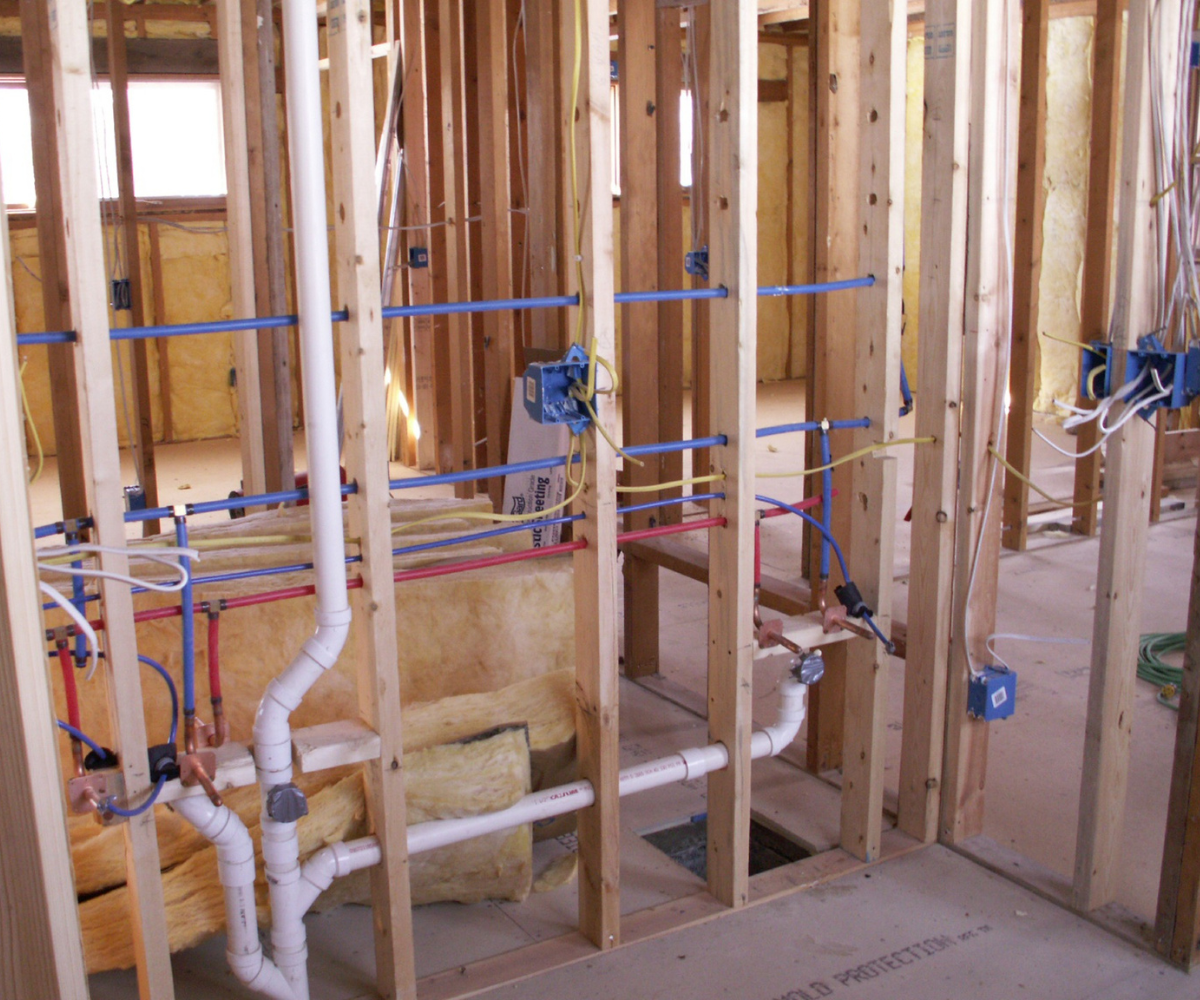
The surprises are almost never the beam. They are what is running through the wall: a kitchen waste stack that has to be relocated ($1,500 to $4,000 for the plumbing alone), a furnace duct or return air, the main electrical run to the second floor, or a gas line to the range. Plaster walls in pre-1950 Seattle houses take about 50 percent more labor to demolish and patch than drywall. Matching 1960s oak strip flooring or a tile floor where the wall stood often means refinishing the whole room, and the ceiling may need a full skim coat rather than a patch. Finally, any home built before 1980 should have the wall tested for asbestos in the texture and lead in the paint before demolition; abatement, when needed, adds $500 to $2,500. We recommend holding a 15 to 20 percent contingency on top of the quoted price for homes older than 1970.
How long does it take?
Engineering and permitting are the long pole: expect two to six weeks before any demolition starts. Once the permit is in hand, the physical work on a single-story wall typically takes three to seven working days: one day to build dust barriers and temporary shoring, one to two days to demolish and set the beam and posts, an inspection, then two to four days for drywall, texture, paint and floor patching. Two-story homes or steel beams add several days. Most families stay in the house during the work, with the kitchen being the main exception if its plumbing is in the wall. If the wall removal is part of a larger project, our kitchen remodel timeline and order of operations guide show where the structural work falls in the schedule.
Is it worth it?
An open kitchen-living layout is consistently the first thing Eastside buyers ask about in rambler and split-level listings, and it is one of the few remodels that changes how every room on the floor feels for a mid-five-figure price. Many of our clients pair the wall removal with the kitchen itself, since the cabinets along that wall come out anyway; our remodel-vs-move guide walks through the math of opening up the home you own versus buying one with the layout you want.
Get a fixed price for your wall removal
Blue Lake Construction removes load-bearing walls, installs LVL and steel beams and handles the engineering and permits across Seattle, Bellevue, Kirkland, Redmond, Sammamish, Issaquah, Mercer Island, Renton, Kent, Lynnwood and Everett. Visit our structural remodeling page or request a free estimate and we will price both beam options before anything comes down.
Subscribe to our Newsletter!

Subscribe to our Newsletter!
Latest Blog posts
View All

Blue Lake Construction
9.11.2026
6 min.
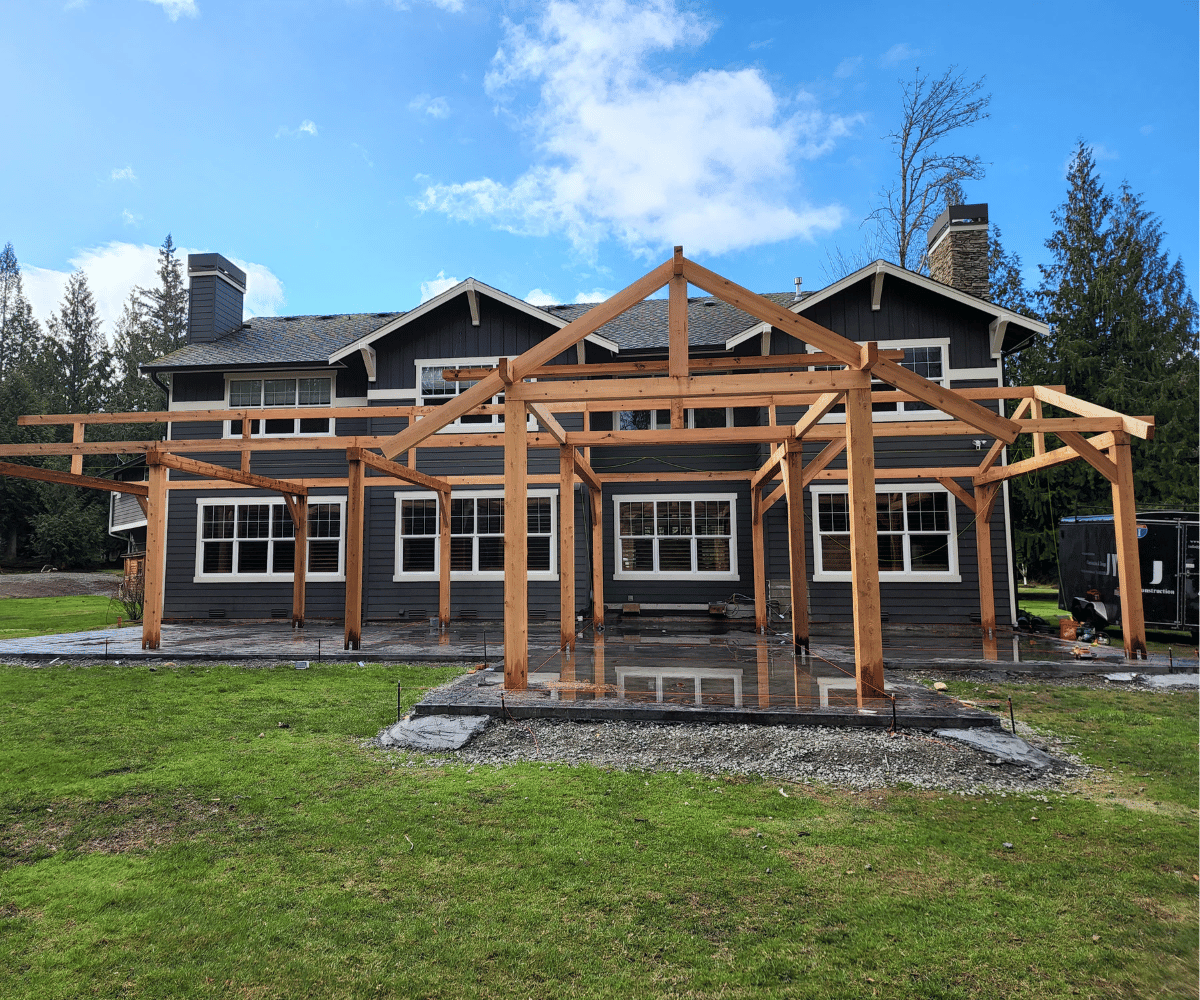
How Much Does a Paver Patio or Driveway Cost in Seattle? 2026 Price Guide
What paver patios, walkways and driveways cost in Seattle and the Eastside in 2026 — installed price per square foot by material, pavers vs. poured concrete, permeable pavers and impervious-surface rules, base prep for wet winters, and maintenance costs.
Blue Lake Construction
9.11.2026
5 min.
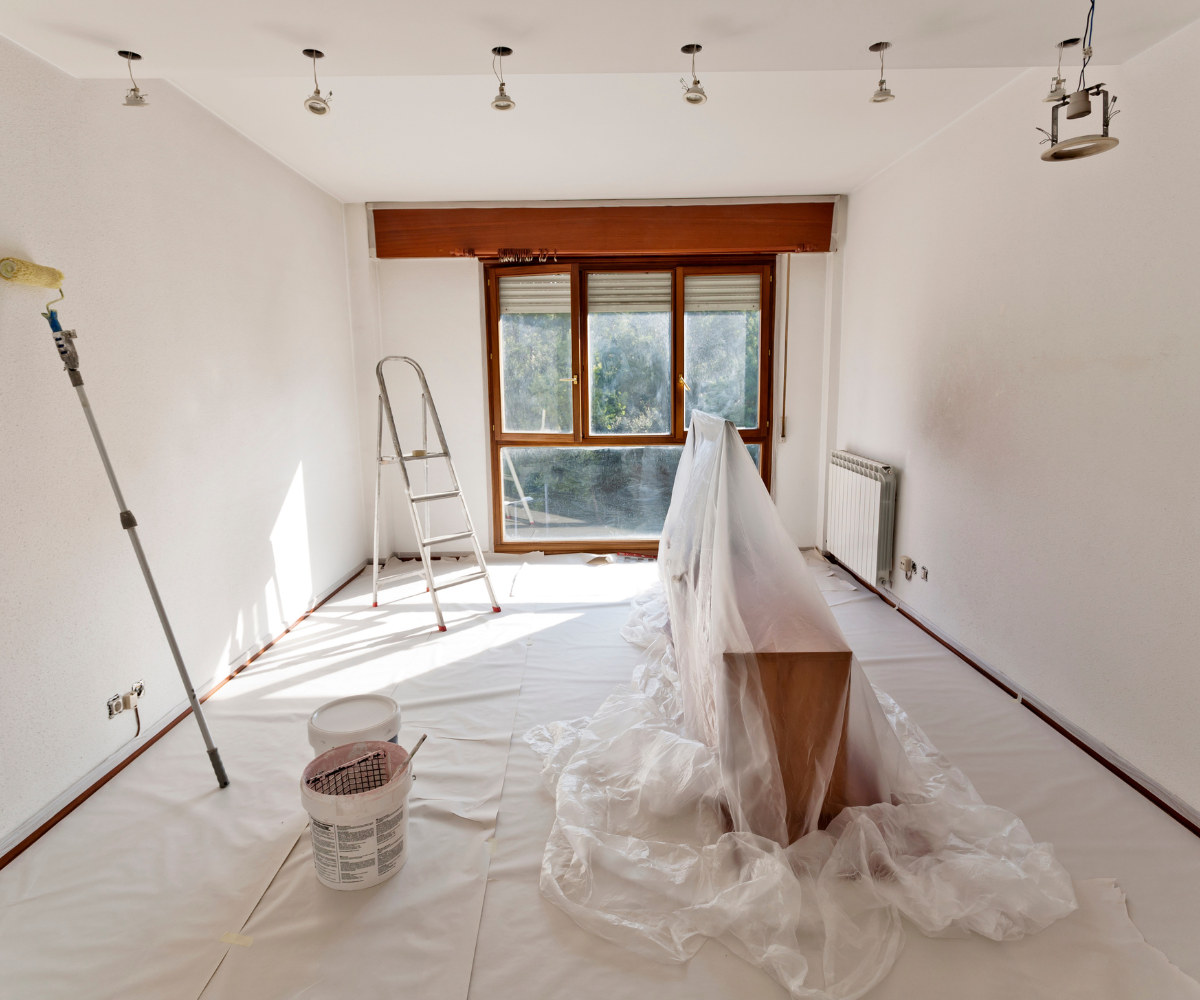
How Much Does Interior Painting Cost in Seattle? 2026 Price Guide
What interior painting costs in Seattle and the Eastside in 2026 — per-square-foot and per-room prices, ceilings, trim and accent walls, prep and drywall repair, how long it takes, and why winter is the best time to book an interior repaint.

Not sure how to start? Get a free consultation.
One of our experts will get back to you as soon as possible.
